
Sergeant Richard Alford
PERSONAL INFORMATION
MILITARY INFORMATION
- Sergeant, 44th Battalion, Infantry (Army).
- Private (Army).
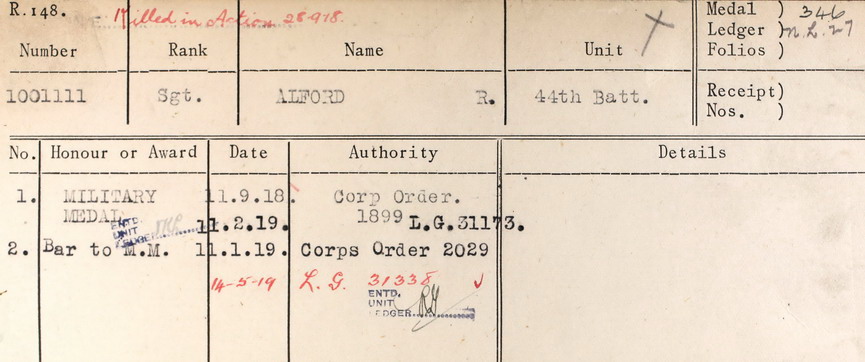
Military Medal
Military Medal First Bar
Source: CEF Commonwealth War Graves Registers
Images
RESEARCH INFORMATION
Richard Henry Alford was born 24 April 1885 in Torrington, Devonshire, England. His parents were William and Mary (Baker) Alford who had married during the last quarter of 1881 in Torrington. The 1891 England census found the family living in Brockham, Surrey where William, age 33, was working as a gamekeeper. Other members of the household were Mary, age 33, Annie, age, 8, Richard, age 6 and Nellie, age 1. By the 1901 England census the family had moved back to Torrington where William was working as a general labourer. Also living in the household were Mary, Ellen (Nellie) age 11, Sarah, age 8, Jane, age 7, Leah, age 5, and Lilley, age 3. Richard was living with the Hooper family in Alverdiscott, Devonshire, working along with two other young people as workers on the farm/household. Richard was next found on a passenger list of the Empress of Britain that had arrived in Halifax, Nova Scotia on 14 March 1914. He was classified as a farmer and returning Canadian, going to Winnipeg. On the 1916 Canada census of Manitoba, Saskatchewan, and Alberta, Richard was living in Portage la Prairie with his sister Annie. Annie had immigrated to Canada in 1903 and had married Edward Purser in Portage la Prairie on 7 August 1905 and by 1916 had four daughters: Mary, Evelyn, Annie, and Emily. Richard was listed as being a soldier away at camp, immigration year given as 1903.
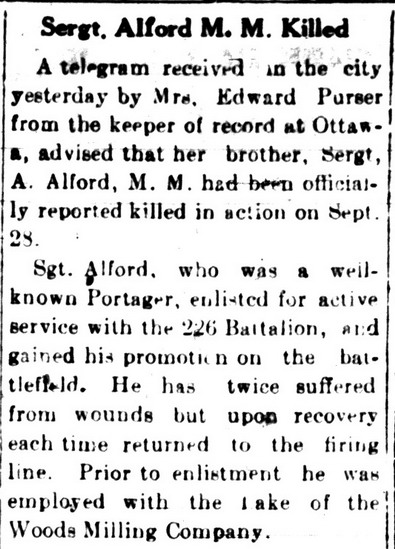
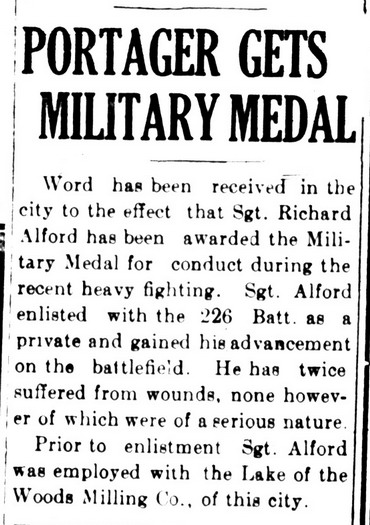
Richard Alford enlisted on 31 March 1916 in Portage la Prairie, occupation given as farmer although by all reports he had been working for the Lake of the Woods Milling Company in Portage. He gave his father William back in Torrington as next of kin. With the 226th Battalion, he left Halifax, Nova Scotia aboard the SS Olympic on 16 December 1916.
Once overseas Richard was transferred to the 14th Reserve Battalion and then on to the 44th Battalion in May of 1917, appointed Lance Corporal. In October, at Ypres, he sustained a shrapnel wound to his hand. He was first admitted to the No 11 Canadian Field Ambulance and then on to the No 9 Lakeside USA General Hospital in Rouen. In early November he was transferred to the No 3 South General Hospital in Oxford and then on to the Military Convalescent Hospital Woodcote Park in Epsom. In January of 1918 he joined the 1st CCD at Shorncliffe.
On 18 April 1918 at Christchurch, Surrey, Richard married Corrinne Helen (Nellie) Hills. Born during the 3rd quarter of 1881 in Epsom, Surrey, Connie was the daughter of Edward and Elizabeth (née Griffin) Hills. Both her father and later Connie were drapers. By the 29th of April Richard had rejoined the 44th in the field, promoted to Sergeant on the 26th of August and awarded the Military Medal on the 18th of September.
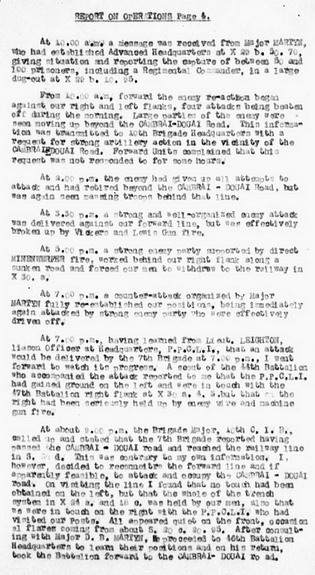
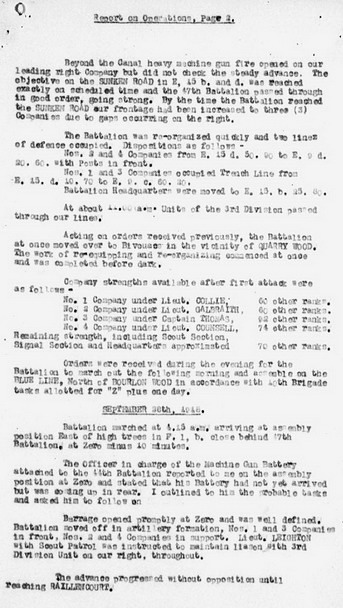
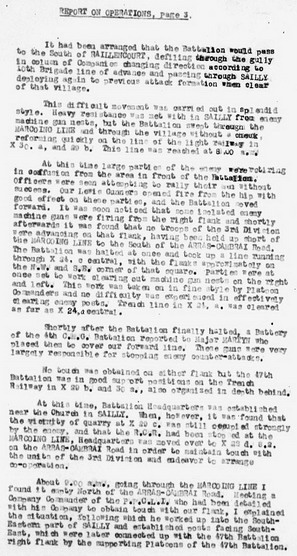
Richard Alford was reported as killed in action on 28 September 1918. From the CEF burial register for Richard: "Killed in Action - During the operations at Cambrai, while holding the line in front of Sailly, Sergt. Alford was hit in the leg and back by shrapnel, and instantly killed." On 11 January 1919, he was awarded the Bar to the Military medal posthumously for his actions. Richard is buried in the Quarry Wood Cemetery, Sains les Marquion, France.
At the time of his death, Richard was survived by his wife Connie Nellie Alford of 71 Well Street, Great Torrington, Devon, England. Connie later married Thomas Hammett and it appears that the couple had one son. Connie died during the 3rd quarter of 1967, death registered in the district of Bideford, Devon.
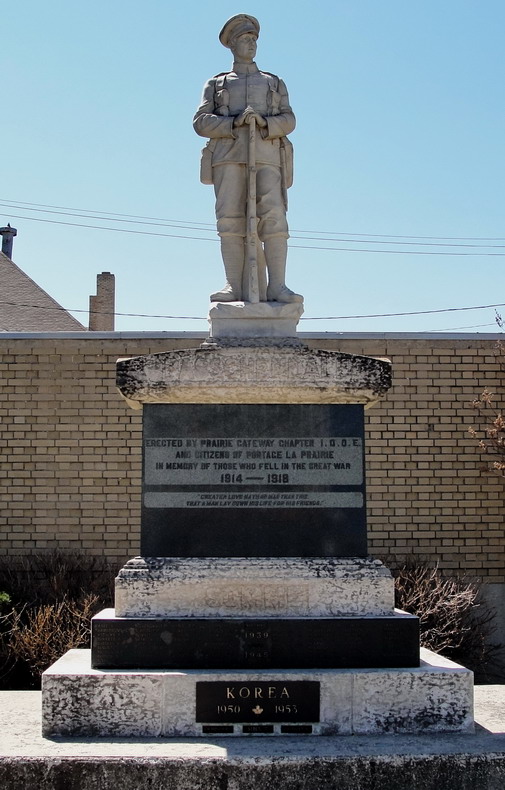
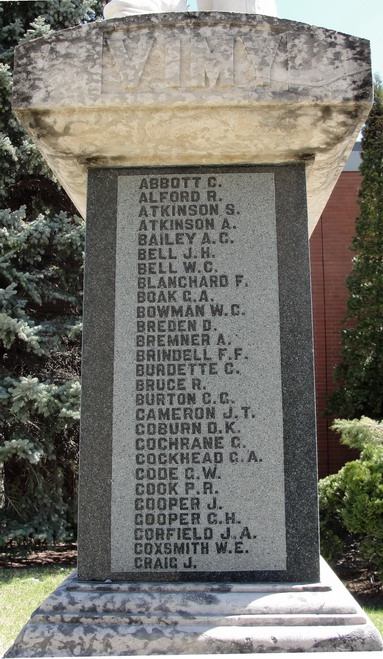
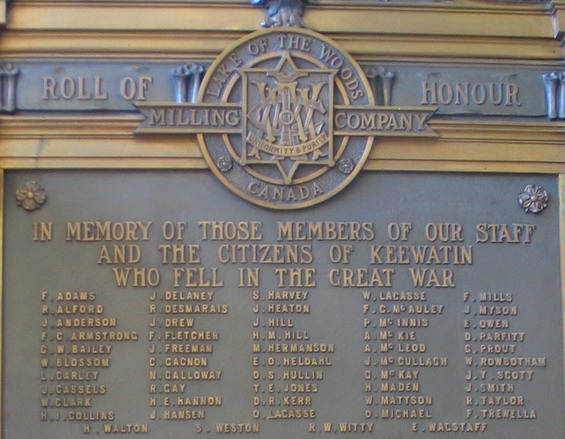
Richard is commemorated on page 358 of the First World War Book of Remembrance, on the Portage la Prairie Cenotaph, and on the Lake of the Woods Milling Company plaque housed in the Keewatin, Ontario Legion. With headquarters in Montreal, the company had mills in Keewatin, Portage la Prairie and Medicine Hat.
"King George V instituted the Military Medal in 1916 as WWI generated such a demand for medals. It is awarded to Warrant Officers, Non-Commissioned Officers and men for individual or associated acts of bravery on the recommendation of a Commander-in-Chief in the field. A silver, laurelled bar is awarded for a subsequent act or acts of bravery and devotion under fire. The front of the medal shows the reigning monarch, while the reverse side shows FOR/BRAVERY/IN THE/FIELD in four lines, encircled by a laurel wreath and topped by the Royal Cypher and Crown. Canadians have received 13, 654 Military Medals, plus 848 first bars and 38 second bars." Information taken from elsewhere on this site.
[Private Army Canadian Infantry 226th Battalion Sergeant Army Canadian Infantry 44th Battalion Military Medal First Bar Military Medal ]